This imarku santoku knife review looks at a seven-inch kitchen blade built for everyday chopping, slicing, dicing, and mincing.
Its high-carbon stainless steel, scalloped hollow edge, and Pakkawood handle make it a fit to consider for cooks who value those design choices.
imarku Santoku Review Summary
The quick verdict
6,000+ ratings
Read Amazon Reviewsimarku Santoku Knife
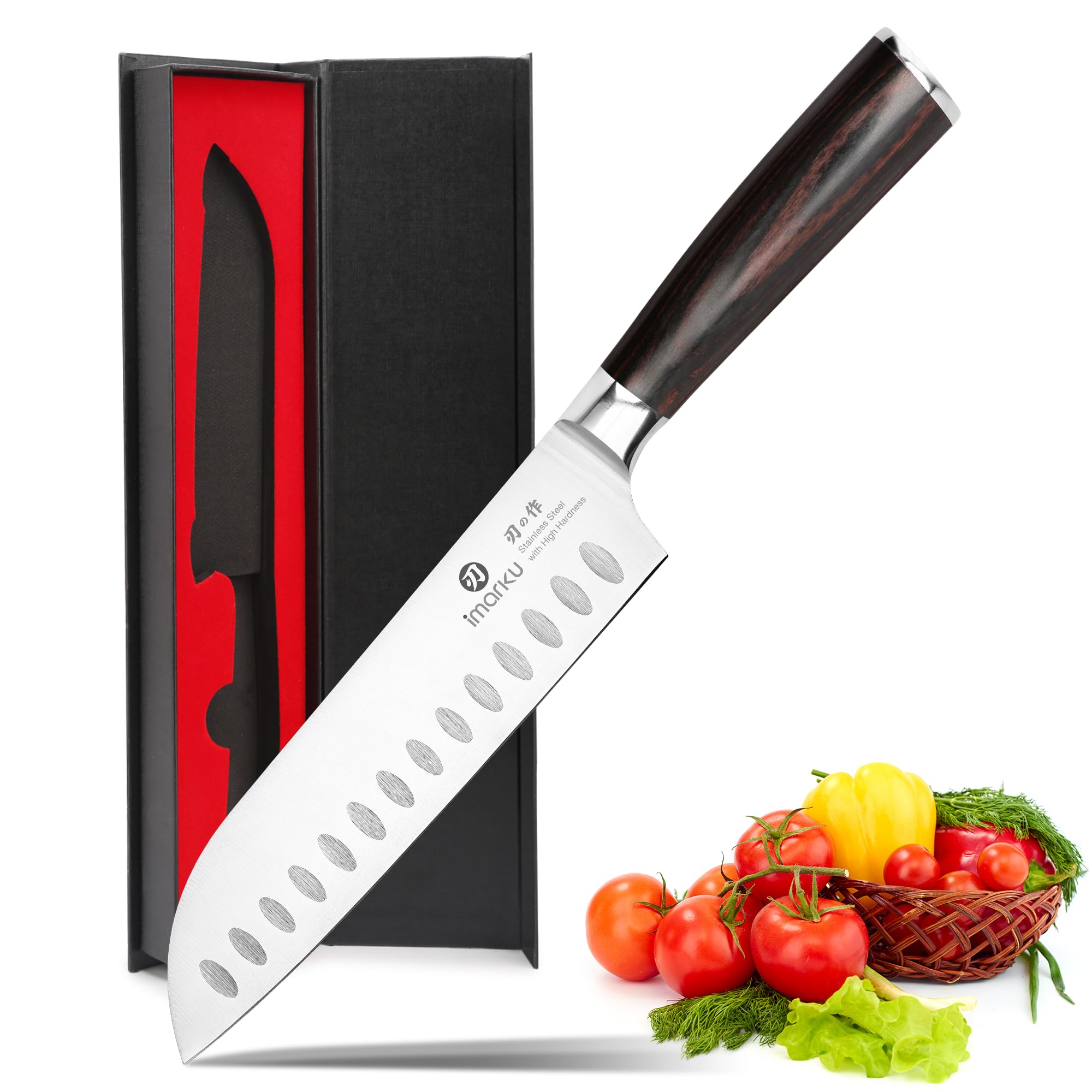
A seven-inch santoku for cooks who want a versatile prep blade, a Pakkawood handle, and a hollow edge intended to reduce food sticking.
- Seven-inch santoku blade made from high-carbon stainless steel.
- Hand-polished edge with a 15-18 degree angle per side.
- Blade thickness is 2.5mm.
- Scalloped hollow edge is designed to reduce food sticking during slicing, dicing, and mincing.

Pros
- Versatile prep range covers chopping, slicing, dicing, and mincing.
- High-carbon stainless steel is described as resisting rust, corrosion, and discoloration.
Consider before buying
- The edge angle of 15-18 degrees per side may not suit every cook's sharpening or cutting preference.
- The design is a seven-inch santoku, so buyers seeking a different blade length or knife profile should check their needs before choosing.
Read the full review summary
The imarku combines a seven-inch santoku profile with high-carbon stainless steel and a hand-polished edge.
Its listed uses include meat, vegetables, fruit, and bread, so it can cover several common prep jobs in a home kitchen or restaurant setting.
The scalloped hollow edge is designed to leave a gap between blade and food, which may help when slicing, dicing, and mincing ingredients prone to clinging.
The Pakkawood handle is shaped to reduce wrist tension and provide a secure grip; buyers who prefer another handle material or want a blade with a sheath should weigh those preferences before choosing.
The buying factors
imarku Santoku Scorecard
Editorial scores reflect listed features and buyer fit; they are not laboratory measurements or customer ratings.
Everyday versatility
The stated prep range spans chopping, slicing, dicing, and mincing across several ingredient types, making the knife adaptable to routine kitchen work.
Blade design
The scalloped hollow edge is intended to create space between blade and food, a useful design feature for cooks who often slice or mince ingredients that cling.
Edge geometry
A hand-polished edge at 15-18 degrees per side gives buyers a concrete edge specification to compare against their sharpening and cutting preferences.
Handle design
The textured Pakkawood handle is designed for a secure grip and reduced wrist tension, though individual grip preference still matters.
Steel choice
High-carbon stainless steel is presented as resistant to rust, corrosion, and discoloration, a practical material choice for regular kitchen use.
Gift presentation
A black gift box supports gift buying, although presentation matters less to cooks choosing primarily for daily prep.
Key Features and Specifications of imarku Santoku
- Seven-inch santoku blade made from high-carbon stainless steel.
- Hand-polished edge with a 15-18 degree angle per side.
- Blade thickness is 2.5mm.
- Scalloped hollow edge is designed to reduce food sticking during slicing, dicing, and mincing.
- Textured Pakkawood handle is designed to provide a secure grip and minimize wrist tension.
- Packaged in a black gift box.
Pros and Cons of imarku Santoku
Pros
- Versatile prep range covers chopping, slicing, dicing, and mincing.
- High-carbon stainless steel is described as resisting rust, corrosion, and discoloration.
- Scalloped hollow edge is intended to help ingredients release from the blade.
- Pakkawood handle is textured and designed for a secure grip.
Consider before buying
- The edge angle of 15-18 degrees per side may not suit every cook's sharpening or cutting preference.
- The design is a seven-inch santoku, so buyers seeking a different blade length or knife profile should check their needs before choosing.
- For cooks who rely on a protective sheath for storage or transport, confirm whether the package includes one before buying.
Who Should Buy imarku Santoku?
Good fit
Choose this knife if you want a santoku for varied everyday prep, including meat, vegetables, fruit, and bread.
The seven-inch blade and high-carbon stainless steel give it a clearly defined kitchen role, while the scalloped hollow edge is intended to reduce sticking during common cutting tasks.
It may also suit cooks who favor a textured Pakkawood handle and want a knife packaged for gifting.
The handle is designed to minimize wrist tension and provide a secure grip, while the black gift box makes the presentation ready for a present.
Who should skip it
Look elsewhere if your routine requires a knife profile or blade length other than a seven-inch santoku.
This knife is presented for general chopping, slicing, dicing, and mincing, so buyers whose work depends on a different form should match that need first.
Skip it if a protective sheath is essential to your storage or transport setup; confirm whether one is included before buying.
imarku Santoku: Blade and Handle in Daily Prep
A santoku for varied kitchen prep
The seven-inch format is positioned for daily chopping, slicing, dicing, and mincing.
That range makes it a practical option for cooks who want one knife to handle several routine ingredients, though a santoku profile is still a specific shape to choose deliberately.
Hollow edge and food release
The scalloped hollow edge creates small gaps between blade and cut material, with the aim of keeping food from sticking.
Treat that as a design benefit to consider for repetitive slicing and dicing, rather than a guarantee that every ingredient will release cleanly.
Steel and edge upkeep
High-carbon stainless steel is presented as resistant to rust, corrosion, and discoloration, while the hand-polished edge has a 15-18 degree angle per side.
These details help define the blade, but the supplied features do not give a sharpening schedule; buyers should plan care around their own use and maintenance routine.
Handle and purchase fit
The textured Pakkawood handle is designed to minimize wrist tension and offer a secure grip across different hand sizes or grip positions.
A black gift box also makes it an option for gifting, while cooks choosing solely for a particular handle feel should consider how its material and texture suit their preference.
Alternatives to imarku Santoku
Santoku Knives alternative
1,000+ ratings
Read Amazon ReviewsZyliss Comfort Santoku Knife
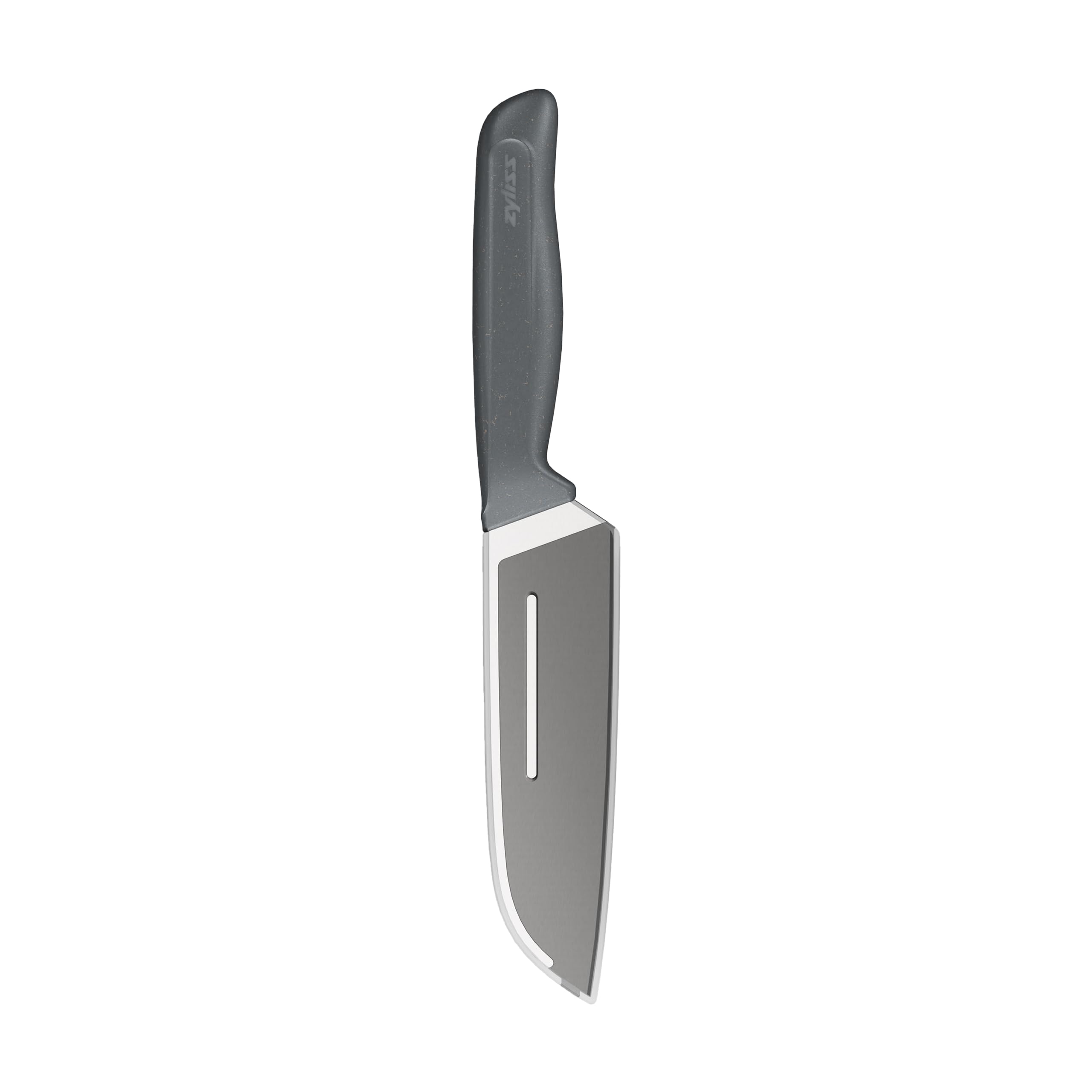
Choose the imarku for its seven-inch blade, hollow edge, and Pakkawood grip; choose the Zyliss if a shorter santoku, wet-hand control, or included blade guard better fits your storage and handling needs.
- The Zyliss is a 5.9-inch santoku with a non-slip contoured handle and a blade guard suited to camping or drawer storage.
- The imarku pairs a seven-inch blade with a scalloped hollow edge intended to reduce sticking, plus a Pakkawood handle.
Santoku Knives alternative
600+ ratings
Read Amazon ReviewsKEEMAKE 7" Santoku Knife
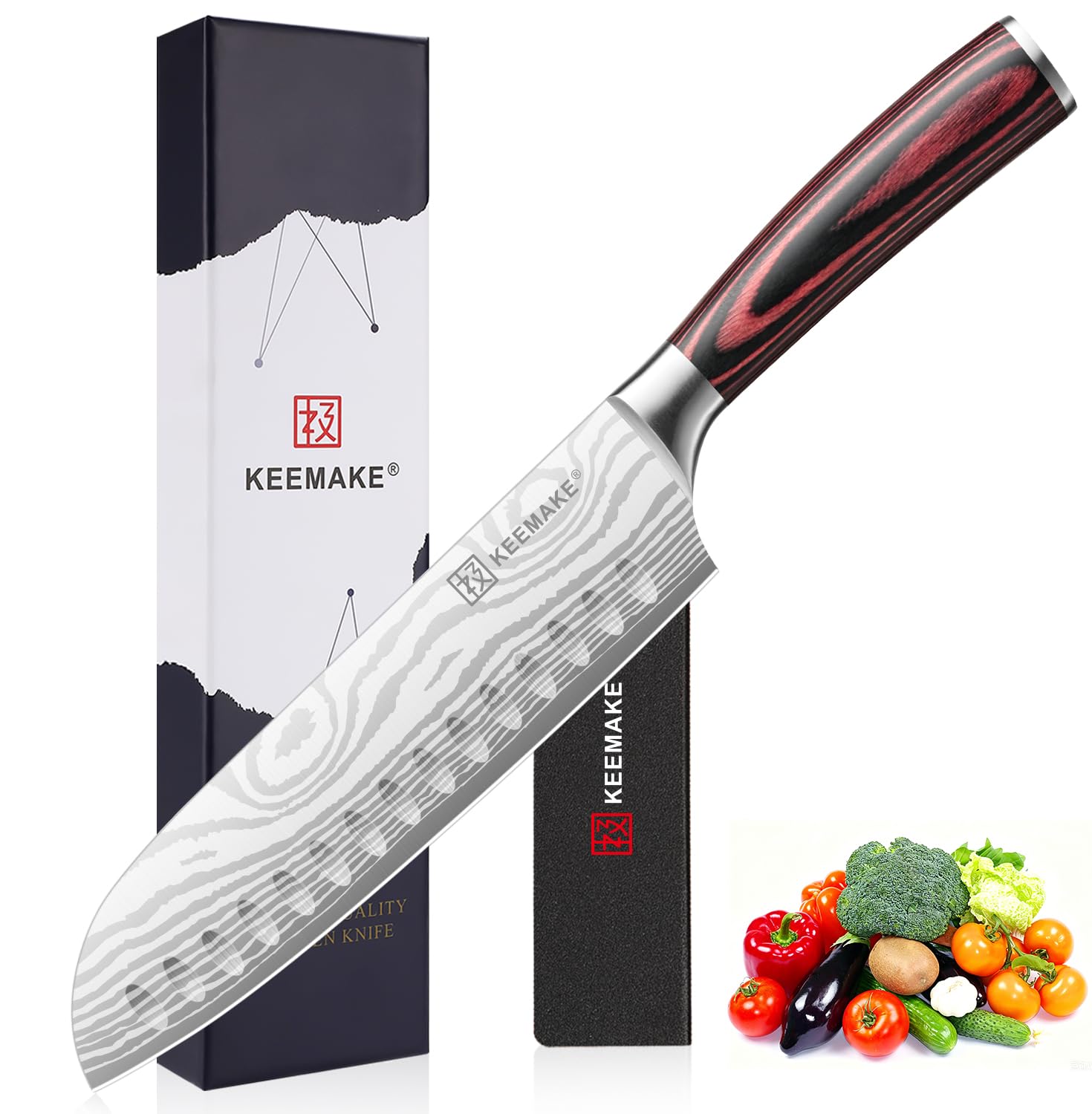
Choose the imarku if its 15-18 degree-per-side hand-polished edge and scalloped hollow design fit your preferences; choose the KEEMAKE if you prefer a 12–15° hand-sharpened edge and a flatter profile for push cutting.
- The KEEMAKE has a hand-sharpened 12–15° edge per side, a wave-patterned blade intended to reduce sticking, and a flatter edge that supports push cutting.
- The imarku has a hand-polished edge at 15-18 degrees per side and a scalloped hollow design intended to help keep food from sticking.
Is imarku Santoku Worth It?
The imarku Santoku Knife is worth considering if you want a seven-inch santoku for varied kitchen prep, high-carbon stainless steel, and a textured Pakkawood handle.
The scalloped hollow edge and hand-polished 15-18 degree-per-side edge give buyers specific blade features to assess against their cutting preferences.
Buy it if a 7-inch santoku with a hollow edge and a Pakkawood handle suits your kitchen routine. Before settling on this model, consider whether its length, handle, and scalloped cutting profile fit your preferences.
Your review at a glance
6,000+ ratings
Read Amazon Reviewsimarku Santoku Knife
A seven-inch santoku for cooks who want a versatile prep blade, a Pakkawood handle, and a hollow edge intended to reduce food sticking.
- Seven-inch santoku blade made from high-carbon stainless steel.
- Hand-polished edge with a 15-18 degree angle per side.
- Blade thickness is 2.5mm.
- Scalloped hollow edge is designed to reduce food sticking during slicing, dicing, and mincing.